
Экологические преимущества солнечной энергии
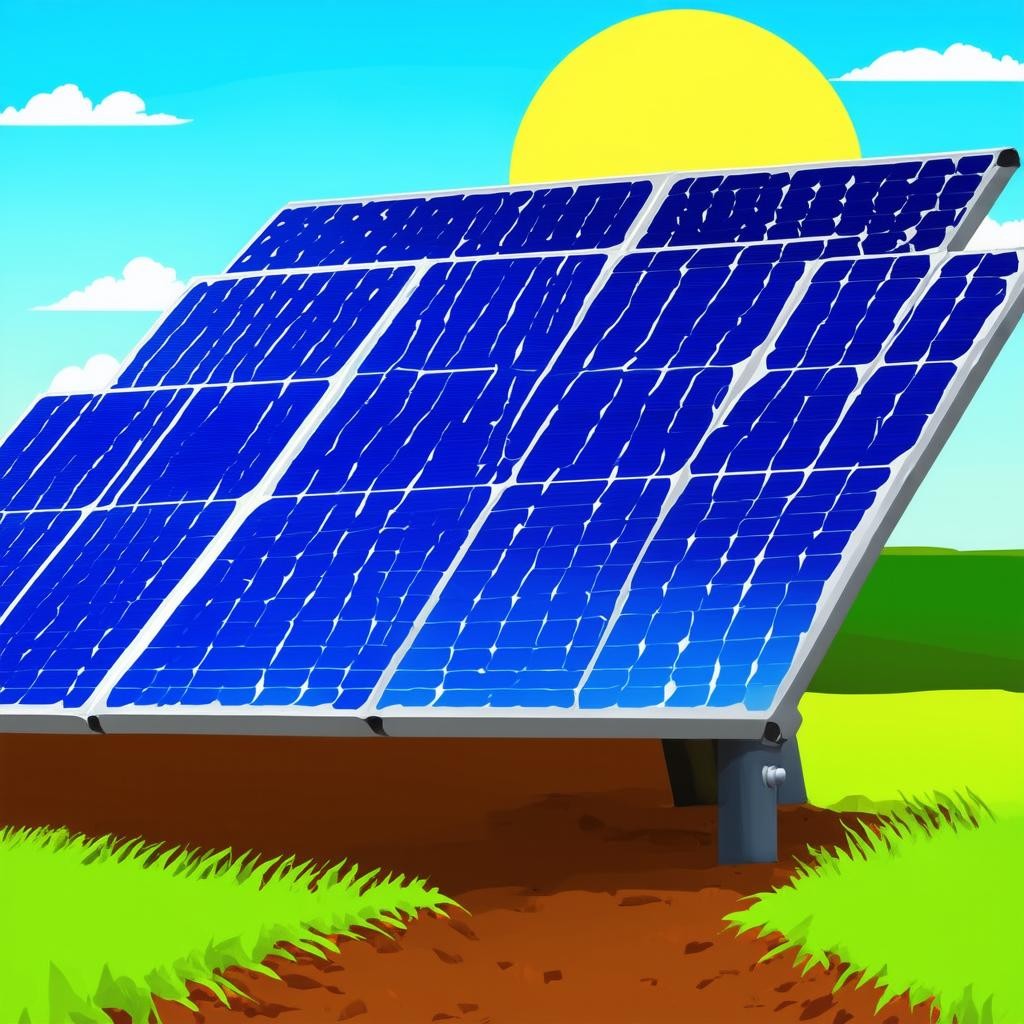
Экономика чистой генерации: почему выгодно платить за свет от Солнца
Когда речь заходит о возобновляемых источниках, многие представляют исключительно экологическую повестку. Однако на платформе, посвященной энергетике и устойчивому развитию, мы смотрим глубже: за экологией всегда стоит экономика. Внедрение фотоэлектрических систем — это не просто модный тренд, а финансово обоснованное решение, особенно в контексте 2026 года, когда цены на традиционные ресурсы продолжают демонстрировать волатильность.
Стоимость внедрения: что влияет на чек и как считать выгоду
Ключевой вопрос для потребителя — не столько «сколько стоит комплект», сколько «когда он себя окупит» и «какова реальная цена владения». Давайте разберем факторы, формирующие итоговую сумму и экономический эффект, исключая поверхностные утверждения.
- Затраты на оборудование и монтаж: Главная статья расходов — это инверторы и модули. В 2026 году стоимость кремниевых пластин снизилась на 15-20% относительно пика 2023 года, однако качественные инверторы от ведущих брендов (SMA, Fronius, Huawei) по-прежнему требуют инвестиций. Цена за 1 кВт установленной мощности варьируется от 80 000 до 150 000 рублей в зависимости от региона и бренда. Экономия на дешевых компонентах часто приводит к росту скрытых затрат: более высокая деградация панелей (потеря 0,7% эффективности в год против 0,3% у премиум-сегмента) и частые поломки инверторов через 3-5 лет.
- Стоимость разрешительной документации и сетевого подключения: В России этот пункт может увеличить бюджет на 15–30 тысяч рублей. Включает проектирование, получение техусловий (ТУ) от сетевой организации и акт допуска счетчика. Здесь кроется главное «узкое место»: бюрократические процедуры замедляют окупаемость. Если вы планируете продавать излишки в сеть по «зеленому» тарифу (средняя ставка — около 2,5–3 рублей за кВт·ч в зависимости от региона), окупаемость составит 7–9 лет. При полной автаркии (автономная система без продаж) период возврата инвестиций укладывается в 5–6,5 года.
- Накопители (аккумуляторы): Самый дорогой и спорный элемент. Литий-железо-фосфатные батареи (LFP) в 2026 году стоят примерно 18–25 тысяч рублей за 1 кВт·ч емкости. Срок службы — 10–12 лет. Без накопителя система дешевле, но в вечерний пик потребления (с 18:00 до 23:00) вы будете оплачивать электроэнергию по полному тарифу. Установка накопителя сдвигает точку безубыточности, но полностью решает вопрос экономии при дифференцированном тарифе («день» и «ночь»). Если типичное потребление семьи составляет 350 кВт·ч в месяц, аккумулятор на 10 кВт·ч окупится за 5–6 лет за счет замещения дорогих вечерних киловатт.
Где скрываются экономические плюсы: долгосрочные выгоды потребителя
Экологические преимущества солнечной генерации напрямую конвертируются в финансовую выгоду. Рассмотрим три основных направления, где вы действительно сохраняете бюджет, избегая рекламных штампов.
- Защита от инфляции тарифов. Средний рост цен на электроэнергию в РФ последние три года составляет 8–10% ежегодно. Установив фотоэлектрическую станцию, вы фиксируете свои затраты на генерацию на 20–25 лет вперед. При стоимости собственного киловатта около 1 рубля (без учета амортизации) вы ежегодно экономите разницу между рыночной ценой и 1 рублем. За 10 лет эта разница по нарастающей составит 150–200 тысяч рублей на стандартное домохозяйство.
- Повышение стоимости недвижимости. Дом с действующей системой генерации продается на 6–12% дороже аналогов без нее. Для элитного сегмента прирост может достигать 15% при условии качественной интеграции. Покупатели ценят готовую экономию на коммуналке и отсутствие зависимости от сетей.
- Упрощение доступа к «зеленым» кредитам и субсидиям. С 2025 года программы льготного кредитования на покупку энергоэффективного оборудования стали доступнее для частных лиц. Ставка по таким займам — 5–7% годовых против рыночных 18–20%. Помимо прямого снижения платежа по кредиту, вы получаете кэшбэк до 10% от стоимости оборудования при подтверждении установки через сертифицированного подрядчика. Это прямое сокращение конечной цены без скрытых переплат.
Цена/качество: как не переплатить и не потерять в надежности
Соотношение цены и качества в сегменте солнечной энергетики определяется не столько брендом панелей, сколько общей архитектурой системы. Конечная стоимость владения за 10 лет (Total Cost of Ownership) складывается из стартовых инвестиций минус сэкономленные средства минус время на обслуживание.
Оптимальный выбор для домашнего использования в 2026 году — это поликристаллические модули на 72 ячейки (эффективность около 19%) с гарантией линейной мощности 25 лет (не менее 85% от номинала на момент 25-й эксплуатации) в паре с гибридным инвертором (2 кВт/48 В) и аккумулятором LFP ёмкостью 10 кВт·ч. Такая связка обеспечивает срок окупаемости в 5,5 лет при среднедневном потреблении 20 кВт·ч. Если вы хотите сэкономить на старте, берите систему без накопителя — окупаемость сократится до 4,5 лет, но вы потеряете возможность ночного накопления.
Важно понимать скрытые расходы, которых нет в базовых рекламных сметах: замена инвертора после 10–12 лет (средняя цена — 70–100 тысяч рублей), чистка панелей 1–2 раза в год (3–5 тысяч за выезд), возможное обновление проводки при интеграции в старый дом. Эти цифры закладываются в реальную стоимость киловатт-часа, чтобы не было иллюзий. С их учетом 1 кВт·ч, произведенный вашей крышей, обходится в 2–2,5 рубля при сроке службы системы в 25 лет. Для сравнения: средний тариф на 2026 год — 7,2–8,5 рубля за кВт·ч. Чистая экономия — от 5 до 6 рублей на каждом потреблённом «солнечном» киловатте.
Таким образом, экологические аспекты солнечной энергии перестают быть абстрактной «зеленой» концепцией и превращаются в прагматичный инструмент экономии. Вопрос не в том, «стоит ли переходить», а в том, «насколько быстро вы начнете экономить и снижать свою зависимость от колебаний цен». Это и есть истинное устойчивое развитие — когда забота о природе идет рука об руку с заботой о собственном кошельке.
Добавлено: 07.05.2026